World Top 10 Hottest Cities Are All in India Again - May 2026
Introduction to the Unprecedented Global Heat Dome
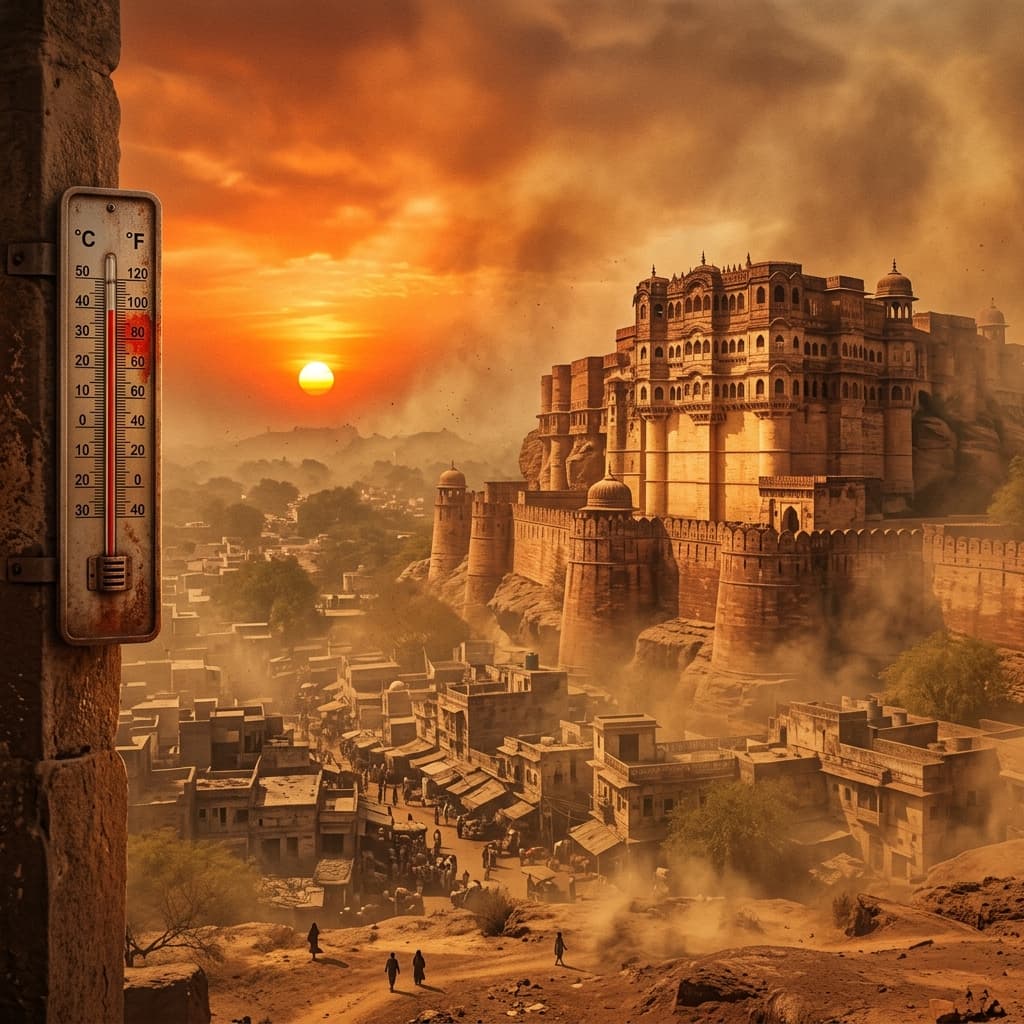
In May 2026, a persistent, high-pressure 'heat dome' locked over the Indian subcontinent. As a result, temperatures climbed to record heights, leaving the top 10 positions on the global hottest cities chart exclusively occupied by locations across central and northern India. This marked the second month in a row of extreme atmospheric conditions affecting hundreds of millions of residents.
Key Cities Affected and Recorded Highs
Several stations registered temperatures exceeding 48°C, with Jupudi, Phalodi, and Ganganagar leading the global records:
- Phalodi, Rajasthan: Recorded a staggering peak of 49.2°C.
- Sirsa, Haryana: Touched 48.8°C during mid-May peak hours.
- Gwalior, Madhya Pradesh: Averaged a daytime temperature of 47.9°C.
- Narnaul, Haryana: Reached a seasonal peak of 48.3°C.
Scientific Drivers Behind the Heat Retention
Climatologists attribute the severity of this heat dome to three core factors: delayed pre-monsoon showers, persistent westerly dry winds blowing across the Thar Desert, and the urban heat island effect amplifying radiation absorption in metropolitan areas. Without early summer convective rain to cool the dry soil, the ground acts as an oven, continually radiating heat back into the boundary layer.
The Link Between Extreme Heat and Air Pollution
Extreme heat events exacerbate air quality challenges. During heatwaves, high ambient radiation speeds up photochemical reactions in the atmosphere. This leads to a rapid build-up of ground-level Ozone (O3) and traps fine particulate matter (PM2.5) close to the surface due to micro-scale thermal inversion layers during quiet evening hours.
Public Health Safety Guidelines
Local municipal corporations have activated Red Alerts, advising the public to follow strict heat and AQI safety protocols:
- Avoid direct sun exposure between 11:00 AM and 4:00 PM.
- Stay adequately hydrated by consuming electrolyte-rich liquids and traditional rehydrating drinks.
- Monitor live ground-level ozone warnings before planning outdoor jogs or active commutes.
- Keep indoor air purifiers running on recirculate mode during peak heat hours to limit dust inhalation.